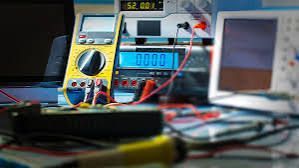
Test and Measurement Equipment: Advice for Lab Buyers
Choosing the right test and measurement equipment protects lab budgets from costly measurement errors.
Matching instrument precision, calibration protocols, and software compatibility to your actual testing workflows prevents overpaying for unused bandwidth.
Evaluate vendor service tiers, total ownership costs, and modular upgrade paths before signing purchase orders.
Core Categories of Laboratory Instruments
Modern testing facilities rely on distinct instrument classes depending on whether engineers validate circuit designs, verify manufacturing tolerances, or run compliance diagnostics. Understanding where each hardware category fits helps procurement teams avoid redundant purchases across departments.
Signal Generation and Analysis
Oscilloscopes, spectrum analyzers, and arbitrary waveform generators form the backbone of electronic validation benches. Buyers must balance analog bandwidth and sampling rates against the specific frequency domains their projects actually require.
Electrical and Environmental Diagnostics
Digital multimeters, LCR meters, and programmable power supplies handle baseline component characterization and endurance stress testing. Labs running automated quality assurance lines prioritize high-speed data logging and rack-mount form factors over benchtop portability.
| Instrument Class | Primary Application | Key Selection Metric | Typical Lifespan |
| Oscilloscopes | Time-domain signal debugging | Bandwidth and sample rate | 7 to 10 years |
| Spectrum Analyzers | Frequency and RF testing | Dynamic range and noise floor | 8 to 12 years |
| Programmable Supplies | Automated load simulation | Channel isolation and ripple | 10 to 15 years |
| Data Acquisition | Multi-sensor endurance logging | Channel count and scan speed | 6 to 9 years |
Essential Technical Specifications to Evaluate
Procurement teams often overspend when they chase flagship specifications rather than aligning hardware tolerances with real test tolerances. A structured technical review ensures every dollar spent translates into measurable testing reliability.
Measurement accuracy and uncertainty margins across your facility's operating temperature range
Input channel density and expansion slot availability for future sensor or probe additions
Native interface protocols including USB, LAN, GPIB, and SCPI command support for test automation
Onboard memory depth to capture long transient events without sacrificing sample resolution
Physical footprint, cooling airflow direction, and acoustic noise levels for shared lab benches
Budgeting and Total Cost of Ownership
The initial purchase price of precision hardware typically represents only a fraction of its total financial footprint over a decade of operation. Accounting for recurring maintenance and operational expenses prevents sudden budget shortfalls during annual audits.
Calibration and Maintenance Contracts
Accredited laboratories require traceable calibration certificates at regular intervals to maintain compliance with ISO standards. Factoring multi-year service agreements and spare probe replacements into the initial capital request often secures meaningful vendor discounts.
Software Licensing and Firmware Upgrades
Many modern instruments lock protocol decoding, advanced math functions, and remote automation suites behind paid software keys. Buyers should verify whether licenses are perpetual or subscription-based, and confirm if licenses can float across multiple bench units.
New vs Refurbished and Rental Options
Acquiring brand-new hardware is not always the smartest financial path, especially for short-term validation sprints or legacy product support. Comparing acquisition models allows lab managers to stretch capital budgets without sacrificing measurement integrity.
Factory-New Equipment
Purchasing new units delivers full factory warranties, the latest processor architectures, and guaranteed long-term parts availability. This route suits core R&D teams building flagship product lines that require cutting-edge measurement standards.
Certified Refurbished and Rental Units
Reputable secondary suppliers offer refurbished instruments complete with fresh calibration seals and multi-year warranties at substantial discounts. Short-term rentals also make financial sense when a project requires specialized high-frequency gear for only a few weeks.
Vendor Selection and After-Sales Support
A capable instrument supplier acts as a technical partner rather than a simple box shipper. Evaluating vendor infrastructure before committing to an ecosystem protects your lab from extended downtime when critical hardware malfunctions.
Local Calibration Labs and Turnaround Times
Shipping delicate instruments overseas for annual recertification can stall engineering schedules for weeks. Prioritize manufacturers or authorized distributors that operate accredited calibration facilities within your regional transit zone.
Application Engineering and Documentation
Strong vendors provide responsive application engineers, clear programming manuals, and ready-to-use driver libraries for Python, LabVIEW, or MATLAB. Testing technical support responsiveness during the evaluation phase reveals how the company treats customers after the invoice clears.
Common Mistakes Lab Buyers Make
Even experienced engineering managers can overlook practical constraints when rushing to close end-of-quarter capital budgets. Avoiding these frequent procurement missteps saves time and preserves testing accuracy.
Buying maximum bandwidth without budgeting for matched active probes, which bottleneck system performance
Ignoring software ecosystem lock-in when mixing instruments from multiple competing manufacturers on one rack
Overlooking lead times on custom configurations, delaying lab commissioning by several months
Failing to verify rack-mount hardware kits, power cord standards, and safety certifications prior to delivery
Frequently Asked Questions
How much bandwidth does an oscilloscope need for digital testing?
Select an oscilloscope with an analog bandwidth at least three to five times higher than the fastest clock frequency or signal edge rate you plan to measure. This margin ensures accurate capture of signal harmonics and prevents artificial rounding of fast transitions.
Is refurbished test equipment reliable for accredited labs?
Certified refurbished instruments from reputable suppliers undergo thorough component testing and ship with valid NIST-traceable calibration certificates. As long as the unit includes a warranty and active support lifecycle, it meets standard laboratory compliance rules.
Should labs buy perpetual or subscription instrument software?
Perpetual licenses generally offer better long-term value for core hardware expected to remain in service for seven or more years. Subscription licenses work best for temporary project surges where advanced protocol decoding is only needed for a few months.
How can buyers reduce annual calibration expenses?
Bundling a three-year or five-year calibration plan at the time of initial hardware purchase typically locks in lower rates and shields the lab from annual price increases. Standardizing on fewer instrument families also simplifies bulk on-site calibration visits.
Conclusion
Smart procurement of test and measurement equipment balances precision specifications against practical lifecycle costs, software flexibility, and regional service support. Focusing on verified testing requirements rather than flagship marketing specs keeps capital budgets efficient and adaptable.
Before finalizing your next purchase order, request demo units to validate software workflows on your actual bench and compare multi-year calibration quotes across competing suppliers. Taking time to audit total ownership costs ensures reliable lab performance for years to come.

Related Post...

Intercity One Way Taxi Booking Overview For Safe Outstation Trips
Updated: November 14, 2026
Read More
Pharmaceutical Coils Manufacturers: Options, Costs & How to Choose
Updated: November 20, 2026
Read More
Commercial Cleaning Explore Modern Workplace Hygiene Standards and Practices
Updated: October 27, 2026
Read More