Commercial Cleaning Explore Modern Workplace Hygiene Standards and Practices
Modern workplaces rely on more than attractive interiors and organized workspaces to maintain a healthy environment.
Commercial cleaning now plays a central role in workplace hygiene, particularly as offices, healthcare facilities, educational institutions, retail spaces, and shared buildings accommodate large numbers of people each day.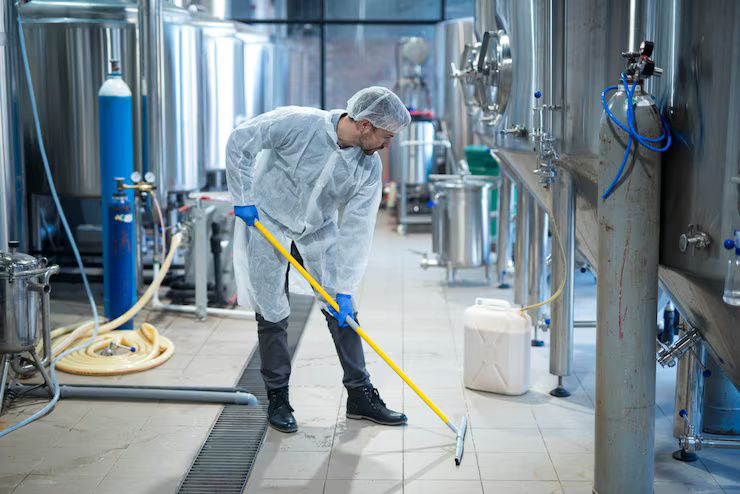
Workplace hygiene has also become more structured. Organizations increasingly consider high-touch surfaces, indoor environments, restroom sanitation, waste handling, cleaning frequency, and chemical management when establishing routine cleaning practices. The objective is not simply to make spaces appear clean, but to maintain consistent conditions that support health, safety, and everyday operations.
Understanding modern commercial cleaning practices helps facility managers, business leaders, and building occupants recognize what effective workplace hygiene involves. It also provides useful context for evaluating cleaning procedures, establishing practical standards, and maintaining cleaner environments without relying on unnecessary or ineffective routines.
How Workplace Hygiene Has Evolved
Traditional workplace cleaning often focused heavily on visible dirt, dust, and general appearance. Modern hygiene programs take a broader approach by considering how people interact with shared environments and where contamination is more likely to occur.
High-touch areas such as door handles, elevator controls, shared equipment, faucets, and frequently used surfaces typically receive greater attention than areas with limited contact. This shift reflects a more risk-based approach to workplace hygiene.
Cleaning programs are also increasingly aligned with facility use. A busy office with shared meeting rooms may require a different cleaning schedule from a low-occupancy administrative facility or a specialized healthcare environment.
Understanding the Difference Between Cleaning and Disinfection
One of the most important concepts in workplace hygiene is recognizing that cleaning and disinfection are not identical processes.
Cleaning generally involves removing dirt, dust, debris, organic material, and other contaminants from a surface. Disinfection involves using an appropriate chemical or process to reduce microorganisms on a cleaned surface.
Disinfection is most useful when there is a specific hygiene reason to apply it. Applying disinfectants indiscriminately to every surface may add unnecessary chemical exposure without improving the overall cleaning program.
Effective procedures therefore consider the type of surface, its frequency of use, the nature of the facility, and the appropriate product instructions.
Areas That Require Greater Attention
A strong workplace hygiene program prioritizes areas according to usage and risk rather than treating every part of a building identically.
Common high-priority areas include:
- Restrooms and frequently touched fixtures
- Door handles and push plates
- Light switches and elevator controls
- Shared desks and workstations
- Break rooms and kitchen surfaces
- Meeting rooms and shared equipment
- Reception and visitor areas
- Frequently handled electronic devices
The specific priorities depend on how a building is used. For example, a facility with shared tools or equipment may need more frequent attention to those objects than a conventional office.
Building a Practical Cleaning Schedule
Cleaning frequency should reflect traffic, occupancy, surface usage, and the type of activity taking place in each area. A fixed schedule can be useful, but it should not prevent adjustments when actual conditions change.
Daily routines may focus on restrooms, common areas, waste collection, high-touch surfaces, and heavily used spaces. Periodic tasks may involve deeper floor care, upholstery treatment, detailed dust removal, ventilation-related maintenance, and other less frequent activities.
Seasonal or event-driven adjustments can also be useful. Increased occupancy, renovation activity, weather conditions, or outbreaks of communicable illness may require temporary changes to normal cleaning priorities.
Choosing Appropriate Cleaning Methods
Modern commercial cleaning depends on matching the method to the surface and contamination type. Using the wrong approach can damage materials or leave surfaces inadequately treated.
Hard surfaces may require different techniques from carpets, upholstery, glass, stainless steel, or electronic equipment. Similarly, porous materials can require specialized procedures that differ from those used on smooth, nonporous surfaces.
Product labels and manufacturer instructions should guide dilution, contact time, storage, application, and required protective measures. Combining cleaning chemicals without clear technical guidance can create dangerous reactions and should be avoided.
Workplace Hygiene and Chemical Safety
Chemical management is an important part of professional cleaning operations. Staff need clear instructions on product handling, storage, labeling, ventilation, and appropriate personal protective equipment.
Safety information should be accessible to workers, particularly when products are concentrated or used in enclosed spaces. Training also helps prevent common mistakes such as incorrect dilution or mixing incompatible chemicals.
A well-managed hygiene program therefore addresses two objectives simultaneously: maintaining clean facilities while protecting the people responsible for cleaning them.
The Role of Equipment and Technology
Technology has changed how commercial cleaning teams plan and monitor workplace hygiene. Modern equipment can improve consistency, productivity, and control over routine tasks.
Advanced floor-cleaning machines, vacuum systems with improved filtration, microfiber cleaning materials, and automated equipment can support efficient maintenance across large facilities. Digital scheduling tools can also help track completed tasks, identify missed areas, and document routine inspections.
Some facilities use sensor-based information to understand restroom usage, occupancy patterns, or cleaning requirements. These technologies can support more responsive scheduling, although they work best when combined with clear operational procedures and human oversight.
Hygiene Standards and Operational Documentation
Consistent workplace hygiene depends on clear standards rather than individual preferences. Organizations can establish written procedures that define cleaning responsibilities, frequency, approved products, inspection criteria, and escalation processes.
Documentation is particularly valuable in large or multi-site facilities where multiple teams may perform similar activities. Standardized procedures make expectations clearer and improve consistency between locations.
Industry and workplace safety guidance can also provide useful frameworks for chemical handling, worker protection, sanitation practices, and facility management. Organizations should select standards appropriate to their building type and operational environment rather than assuming one approach applies universally.
Measuring Cleaning Quality
A clean workplace should be evaluated through more than visual appearance. Supervisors can inspect task completion, surface condition, restroom standards, waste management, supply levels, and recurring problem areas.
Feedback from employees and facility users can also reveal issues that routine inspections may overlook. Repeated complaints about odors, frequently missed surfaces, or poorly maintained common areas may indicate that a schedule or procedure needs adjustment.
In more controlled environments, organizations may use documented inspection systems and other objective measures to evaluate whether established hygiene requirements are being followed consistently.
Sustainability and Responsible Cleaning Practices
Environmental considerations are becoming more relevant to workplace hygiene programs. Facilities may reduce unnecessary waste by using concentrated products correctly, controlling water consumption, selecting durable cleaning materials, and managing chemical usage carefully.
Sustainability does not mean reducing hygiene standards. Instead, it involves finding practical methods that maintain cleanliness while limiting unnecessary resource use.
Reusable microfiber materials, efficient equipment, measured chemical dispensing, and responsible waste separation can all contribute to a more balanced approach when implemented appropriately.
Frequently Asked Questions
How often should a commercial workplace be cleaned?
There is no universal schedule. Frequency should reflect occupancy, traffic, surface usage, facility type, and specific hygiene risks. High-use areas generally require more frequent attention than low-contact spaces.
Is cleaning the same as disinfecting?
No. Cleaning primarily removes dirt and contaminants, while disinfection uses an appropriate process or chemical to reduce microorganisms. Both have different purposes and should be applied appropriately.
Which workplace areas usually need the most attention?
High-touch surfaces, restrooms, break rooms, shared equipment, entrances, meeting spaces, and other frequently used areas generally deserve greater attention because they experience repeated contact.
How can workplaces improve cleaning consistency?
Written procedures, clear schedules, staff training, inspections, appropriate products, and documented quality checks can help maintain consistent hygiene standards across facilities.
Can sustainable practices be used without reducing hygiene?
Yes. Responsible chemical use, efficient equipment, controlled water consumption, reusable materials, and proper waste management can support environmental goals while maintaining appropriate hygiene practices.
Conclusion
Commercial cleaning has evolved from a basic appearance-focused activity into a structured component of workplace health, safety, and facility management. Modern hygiene practices emphasize risk-based cleaning, appropriate disinfection, high-touch surface management, chemical safety, consistent scheduling, and objective quality checks.
The most effective approach is not necessarily the one that uses the greatest number of products or performs every task at the same frequency. It is the approach that matches cleaning methods to the facility, understands how spaces are used, protects workers, and maintains consistent standards through practical procedures and regular review.

Related Post...

Structural Steel Contractors Explore Reliable Solutions for Modern Construction Projects
Updated: October 19, 2026
Read More
Custom Aluminum Extrusion Manufacturers: Explore Design and Process Options
Updated: September 15, 2026
Read More
heavy industrial crane rental companies: Explore Crane Types and Uses
Updated: September 19, 2026
Read More