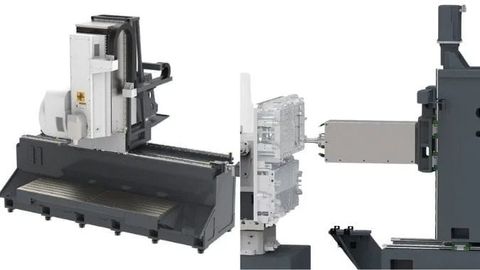
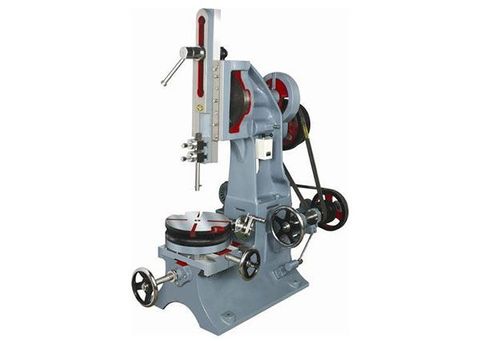
The concept of horizontal machining centers developed as manufacturing processes required greater efficiency, precision, and automation. Traditional machining methods often required multiple setups, manual adjustments, and frequent repositioning of parts. HMCs address these limitations by allowing multiple surfaces of a component to be machined within a single setup. This reduces production time and increases accuracy.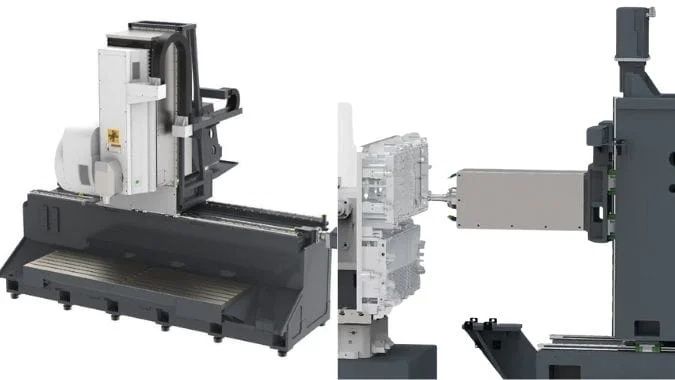
In many modern factories, horizontal machining centers are integrated into automated manufacturing systems. They are widely used in industries such as automotive manufacturing, aerospace engineering, industrial equipment production, and energy infrastructure. These machines enable manufacturers to process complex parts while maintaining consistent quality standards.
Importance
Horizontal machining centers are important because they support efficient, high-precision manufacturing. As production environments become more complex and global supply chains demand consistent quality, machining technology must deliver accuracy, repeatability, and reliability.
Several factors explain why horizontal machining centers are widely used in modern production:
-
Improved machining efficiency: HMCs can perform multiple machining operations without repositioning the workpiece.
-
Reduced setup time: Automated pallet systems allow new parts to be loaded while machining continues.
-
Enhanced chip evacuation: The horizontal orientation helps chips fall away from the cutting area, improving cutting performance.
-
High production capacity: These machines are suitable for both medium-volume and large-scale manufacturing.
-
Consistent quality: CNC control ensures repeatable machining results across multiple production cycles.
Industries that require complex metal components rely heavily on CNC horizontal machining centers to maintain tight tolerances and consistent production outcomes.
Working Principle and Operations
A horizontal machining center operates using computer numerical control technology. The machine follows digital instructions that guide the movement of cutting tools relative to the workpiece.
The basic operational process involves several stages:
-
Workpiece positioning: The component is mounted on a rotating table or pallet system.
-
Tool selection: Automatic tool changers allow the machine to switch between different cutting tools during operation.
-
Machining process: The horizontal spindle rotates the cutting tool while the workpiece moves along multiple axes.
-
Multi-side machining: Because the workpiece can rotate, multiple surfaces can be machined within the same setup.
-
Chip removal: Gravity helps remove chips from the cutting zone, improving machining stability.
These operational characteristics make horizontal machining centers especially effective for complex parts that require machining from multiple angles.
Recent Updates
Recent developments in horizontal machining technology reflect broader trends in digital manufacturing and automation. Manufacturers continue to enhance machine performance, integration capabilities, and monitoring systems.
Important developments observed in recent periods include:
-
Smart machine monitoring: Many horizontal machining centers now include built-in sensors that monitor spindle performance and tool conditions.
-
Automation integration: Robotic part handling systems can work alongside CNC horizontal machining centers to improve productivity.
-
Digital manufacturing platforms: Machines can connect with manufacturing execution systems to track production data.
-
Improved control software: Advanced CNC interfaces allow operators to program complex machining sequences more efficiently.
-
Energy-efficient spindle systems: Updated drive technologies improve energy usage and machine reliability.
These advancements help manufacturing facilities maintain efficiency while adapting to increasingly digital production environments.
Laws or Policies
Machining equipment such as horizontal machining centers operates within regulatory frameworks designed to ensure safe operation, worker protection, and environmental responsibility. Regulations may vary depending on the country and industrial sector, but several common areas of compliance apply.
Key regulatory considerations include:
-
Industrial machinery safety standards: Guidelines covering machine guarding, emergency stop mechanisms, and operational safety.
-
Workplace safety regulations: Requirements related to operator training, maintenance procedures, and safe equipment use.
-
Environmental guidelines: Policies addressing energy efficiency and responsible disposal of machining fluids or metal waste.
-
Technical certification standards: Equipment must often meet engineering standards before being deployed in industrial facilities.
Adhering to these frameworks ensures that industrial machining centers operate within accepted safety and operational guidelines.
Tools and Resources
Various tools and reference materials help engineers, technicians, and manufacturing planners understand and operate horizontal machining centers effectively.
Examples of useful resources include:
-
CNC programming references: Guides explaining G-code and machining instructions.
-
Machining parameter calculators: Tools used to determine cutting speeds, feed rates, and spindle speeds.
-
Tool path simulation software: Applications that visualize machining operations before production begins.
-
Maintenance checklists: Documents that outline routine inspection procedures for machine components.
-
Technical documentation libraries: Standards and engineering references for machining equipment.
These resources assist operators and engineers in maintaining consistent machining performance and equipment reliability.
Key Components of Horizontal Machining Centers
Understanding the main components of an HMC helps clarify how these machines function within production environments.
| Component | Function | Role in Machining |
|---|---|---|
| Horizontal spindle | Rotates cutting tool | Performs cutting operations |
| Worktable or pallet | Holds workpiece | Allows part rotation |
| Automatic tool changer | Switches tools automatically | Enables multi-operation machining |
| CNC control unit | Directs machine movements | Executes machining programs |
| Coolant system | Controls heat during cutting | Improves tool life and surface finish |
These components work together to support the precision and flexibility that define horizontal machining centers.
FAQs
What is a horizontal machining center used for?
A horizontal machining center is used for precision cutting, drilling, and shaping of metal components in industrial manufacturing.
How does a horizontal machining center differ from a vertical machining center?
The main difference is spindle orientation. Horizontal machining centers use a horizontal spindle, while vertical machines position the spindle vertically.
Which industries commonly use CNC horizontal machining centers?
Industries such as automotive manufacturing, aerospace engineering, heavy equipment production, and energy systems frequently use these machines.
Why are horizontal machining centers suitable for complex parts?
They allow multiple sides of a workpiece to be machined without frequent repositioning, improving efficiency and accuracy.
Do horizontal machining centers support automated production systems?
Yes. Many modern machines integrate with pallet systems and robotic handling equipment to support automated manufacturing processes.
Conclusion
Horizontal machining centers play a significant role in modern manufacturing by enabling efficient and precise machining of complex components. Their horizontal spindle design, automated tool handling, and integration with digital manufacturing systems make them valuable assets in industrial production environments. As manufacturing technology continues to evolve, CNC horizontal machining centers remain central to achieving reliable machining performance and consistent production outcomes.