Government Coaching in Delhi: Compare Top Institutes
Selecting government coaching in Delhi feels overwhelming fast.
Every neighborhood promises top ranks, leaving serious candidates unsure where to invest their savings.
Evaluating institutes by exam specialization, batch size, and transparent fee structures cuts through marketing noise. Comparing academic delivery rather than billboard claims ensures your daily schedule supports consistent exam readiness.
Use this structured breakdown of Delhi study hubs, program formats, and cost factors to shortlist the right academy.
Major Coaching Hubs Across Delhi
Delhi separates into distinct academic zones based on target examinations and student budgets. Choosing a center near a direct metro line saves daily commute hours that you can redirect toward revision and mock practice.
Mukherjee Nagar and GTB Nagar
North Delhi serves as the traditional hub for Staff Selection Commission, banking, railway, and state civil service preparation. Institutes like KD Campus, Paramount Coaching, and Career Power operate multiple branches here alongside dense networks of reading libraries and affordable student hostels.
Old Rajinder Nagar and Karol Bagh
Central Delhi focuses heavily on Union Public Service Commission civil services preparation. Established academies such as Vajiram and Ravi, Baliyan Insight IAS, and Plutus Academy cluster around Bada Bazaar Marg and metro exits, offering intensive general studies and optional subject programs.
Laxmi Nagar and Nirman Vihar
East Delhi caters to aspirants seeking accessible fee structures and compact batches for banking, SSC, and defense exams. Centers including IBT Institute and Vidya Guru provide structured foundation batches with close metro connectivity for commuters from neighboring NCR districts.
Comparing Top Government Coaching Options
Different academies specialize in specific exam patterns, classroom capacities, and teaching methodologies. Comparing core operational metrics prevents enrolling in a generalist batch when your target exam demands specialized mentoring.
| Institute Name | Primary Exam Focus | Typical Batch Size | Delivery Format |
| Vajiram and Ravi | UPSC Civil Services | Large Auditorium | Offline and Hybrid |
| Plutus Academy | UPSC and SSC | Small to Medium | Hybrid Interactive |
| KD Campus | SSC and State Exams | Large Classroom | Offline and Online |
| IBT Institute | Banking and SSC | 20 to 30 Students | Offline with Portal |
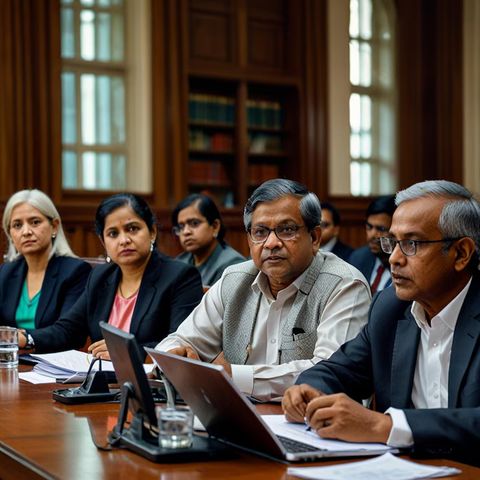
Large auditorium batches work well for disciplined self-starters who thrive on competitive peer energy and structured lecture schedules. Smaller classrooms suit candidates who require regular one-on-one doubt clearing and direct faculty interaction after every class.
Government Coaching Fees in Delhi
Course fees vary widely depending on the examination tier, program duration, and included test series. Understanding the complete cost structure before paying an admission deposit protects you from unexpected mid-course charges.
Foundation batches for SSC, banking, and railways generally range from INR 15,000 to INR 45,000 for six to twelve months.
Comprehensive UPSC general studies foundation courses typically range from INR 1,20,000 to INR 2,40,000 for one academic year.
Online and hybrid live batches often cost thirty to fifty percent less than full-time physical classroom programs.
Installment plans are available at several mid-sized academies, though upfront lump-sum payments sometimes carry modest tuition discounts.
Always confirm whether printed workbooks, current affairs compilations, and full-length computer-based mock tests are included in the quoted tuition. Some centers bill preliminary and main examination test series separately once the core syllabus concludes.
Key Factors to Evaluate Before Enrolling
Visiting campuses in person reveals operational realities that brochures never mention. Spending two days attending trial lectures across shortlisted academies gives you direct evidence of teaching quality.
Faculty Stability and Teaching Style
Ask administrative staff whether senior permanent faculty teach the entire syllabus or only deliver introductory lectures. Strong institutes maintain consistent subject specialists for quantitative aptitude, reasoning, general studies, and English comprehension throughout the batch cycle.
Mock Test Interface and Analysis
Modern government examinations rely on computer-based testing with strict sectional timing. Verify that the institute provides an online test portal that mirrors official exam screens, complete with detailed percentile analytics and video solutions.
Course Validity and Backup Access
Illness or unexpected travel can cause missed lectures during a long preparation cycle. Prioritize institutes that include recorded backup classes and extended portal validity so you can revisit difficult topics before final exam dates.
Common Mistakes Candidates Make
Many aspirants lose valuable months by following peer pressure rather than matching an institute to their personal learning style. Avoiding frequent enrollment pitfalls preserves both study momentum and financial resources.
Joining oversized batches without checking doubt-resolution counters, which leaves foundational conceptual gaps unaddressed.
Paying full annual fees upfront without attending at least two live demo classes to test faculty clarity.
Ignoring daily travel time across congested routes, resulting in physical exhaustion before self-study hours begin.
Selecting an institute solely on past topper posters rather than verifying current faculty rosters and updated study material.
Frequently Asked Questions
How long do government exam coaching programs in Delhi usually last?
SSC, banking, and railway foundation batches typically run for five to seven months to cover both preliminary and main tiers. UPSC civil services foundation programs generally span ten to twelve months, followed by dedicated answer-writing and test series modules.
Can I attend demo classes before paying admission fees?
Most coaching institutes in Delhi allow prospective students to attend one to three free demo lectures before finalizing enrollment. Attending live sessions helps you evaluate classroom acoustics, batch crowding, and teacher communication style firsthand.
Is offline classroom coaching better than online courses in Delhi?
Offline classes provide fixed daily routines, direct peer competition, and immediate in-person doubt solving for students who struggle with self-discipline. Online batches offer lower tuition costs and recorded flexibility, making them practical for working professionals or graduates living outside central hubs.
What hidden expenses should I budget for beyond tuition fees?
Living in major Delhi study hubs requires budgeting for monthly paying-guest accommodation, meals, library memberships, and printed test booklets. Monthly living expenses in areas like Mukherjee Nagar or Old Rajinder Nagar often exceed the amortized monthly cost of tuition itself.
Conclusion
Choosing between government coaching institutes in Delhi requires balancing exam specialization, batch capacity, and total living expenses. Shortlisting two or three academies within your target hub and attending live trial classes remains the most reliable way to verify teaching standards.
Focus on consistent faculty access, realistic mock test portals, and manageable commute times rather than promotional claims. Once you select an institute that fits your budget and study habits, commit fully to daily revision and scheduled practice tests.

Related Post...

Environmental Management Courses: Explore Specializations and Career Paths
Updated: September 08, 2026
Read More
Online Business Administration Degrees: Explore Career Advancement Paths
Updated: August 27, 2026
Read More