The need for valve selection exists because no single valve can perform efficiently across all operating conditions. Differences in pressure, temperature, fluid type, flow rate, and safety requirements demand specific valve designs. Incorrect selection can lead to leakage, flow restriction, energy loss, premature wear, or operational instability.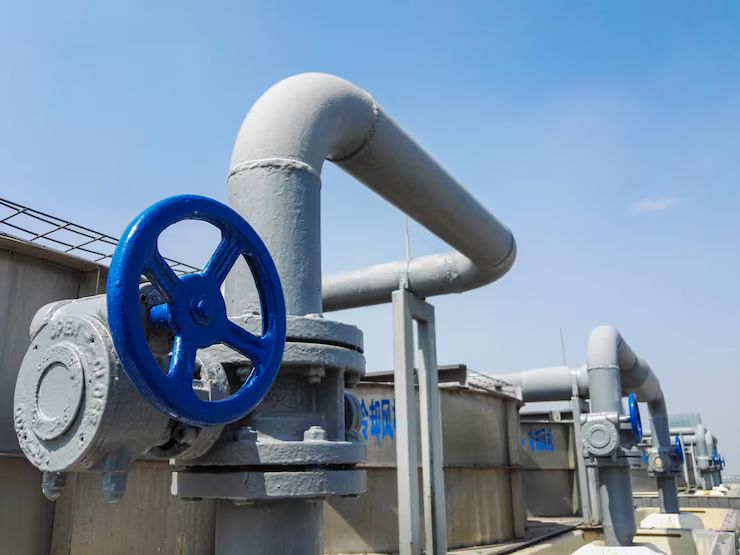
A practical approach to valve selection helps ensure system reliability, operational efficiency, and long-term performance while supporting safety and regulatory compliance.
Why Valve Selection Matters Today
Modern systems are becoming more complex, automated, and efficiency-focused. From water distribution networks to industrial processing units and power plants, valves influence system control and energy usage directly.
Valve selection matters today because it:
-
Affects flow efficiency and pressure stability
-
Influences system lifespan and maintenance frequency
-
Helps prevent leakage, vibration, and material fatigue
-
Supports energy efficiency in fluid-handling systems
-
Ensures compatibility with automation and control systems
-
Reduces operational risk in high-pressure or high-temperature environments
Engineers, facility managers, plant operators, designers, and maintenance teams are all affected by valve decisions. Inadequate selection can result in frequent downtime, safety incidents, and inefficient resource usage.
As industries focus on sustainability, precision control, and automation, valves are no longer passive components. They are active contributors to performance optimization.
How Valve Selection Works in Practice
Selecting a valve involves matching system requirements with valve characteristics. This process typically considers both operational conditions and environmental factors.
Key evaluation elements include:
-
Type of fluid (liquid, gas, steam, slurry)
-
Operating pressure and temperature range
-
Flow control needs (on/off, throttling, isolation)
-
Valve actuation method (manual, electric, pneumatic)
-
Installation orientation and space constraints
-
Material compatibility and corrosion resistance
A systematic selection approach improves efficiency and reduces trial-and-error during installation and operation.
Table: Common Valve Types and Typical Applications
| Valve Type | Flow Control Function | Common Usage Scenarios |
|---|---|---|
| Gate Valve | Full open or close | Water pipelines, isolation points |
| Ball Valve | Quick shut-off | Gas lines, process control |
| Globe Valve | Flow regulation | Pressure and flow adjustment |
| Butterfly Valve | Compact flow control | HVAC, large-diameter piping |
| Check Valve | Prevents reverse flow | Pump systems, discharge lines |
Recent Updates and Industry Trends
Over the past year, valve selection practices have been influenced by efficiency standards, automation expansion, and material innovation.
Notable trends observed in 2024–2025 include:
-
Increased use of smart valves with sensor integration
-
Higher adoption of automated actuated valves in industrial plants
-
Focus on low-emission valve designs to reduce leakage
-
Growth of digital twins for flow simulation and valve performance testing
-
Expansion of corrosion-resistant alloys and composite materials
-
Emphasis on predictive maintenance supported by monitoring data
Digital valve monitoring allows performance tracking, fault detection, and efficiency optimization without physical inspection. This trend reflects a shift toward data-driven infrastructure management.
Regulatory and Policy Considerations
Valve selection is influenced by safety, environmental, and quality regulations that vary by industry and region. These frameworks ensure system integrity and public safety.
Common regulatory considerations include:
-
Pressure equipment safety standards
-
Industrial piping and mechanical codes
-
Environmental emission and leakage control guidelines
-
Water quality and sanitation regulations
-
Fire safety and emergency shut-off requirements
-
Energy efficiency and sustainability policies
In many regions, valves used in critical applications must comply with national or international standards related to pressure rating, material composition, and performance testing.
Understanding applicable regulations helps prevent compliance issues and operational disruptions.
Tools, Calculators, and Knowledge Resources
Several tools and reference materials assist professionals in making informed valve-selection decisions.
Helpful resources include:
-
Flow rate and pressure drop calculators
-
Valve sizing charts and coefficient tables
-
Material compatibility reference guides
-
Digital piping design and simulation software
-
Automation compatibility checklists
-
Industry standards documentation for valve testing
-
Maintenance planning templates for valve inspection cycles
Using structured tools improves accuracy and reduces selection uncertainty, especially in complex systems.
Practical Tips for Efficient Valve Selection
Applying practical knowledge enhances system efficiency and reduces long-term issues.
Useful insights include:
-
Choose valves designed specifically for the intended fluid type
-
Avoid oversizing, as it can reduce flow control accuracy
-
Consider future automation needs during selection
-
Match valve materials to chemical and temperature exposure
-
Evaluate pressure drop impact on overall system efficiency
-
Prioritize accessibility for inspection and maintenance
-
Verify compatibility with control systems and sensors
-
Account for installation orientation and vibration exposure
A well-chosen valve improves system stability and simplifies operational management.
Table: Manual vs Automated Valve Considerations
| Aspect | Manual Valves | Automated Valves |
|---|---|---|
| Control Method | Hand-operated | Electric or pneumatic |
| Precision | Basic | High accuracy |
| Integration | Limited | Compatible with control systems |
| Monitoring | Visual only | Data-based monitoring |
| Efficiency Impact | Moderate | Optimized control |
FAQs
What is valve selection?
Valve selection is the process of identifying the most suitable valve type, size, material, and operation method for a specific system and operating condition.
Why is correct valve selection important?
It ensures efficient flow control, system safety, reduced leakage, and long-term operational reliability.
What factors influence valve selection most?
Fluid type, pressure, temperature, flow rate, control requirement, and material compatibility are the primary factors.
How does valve size affect efficiency?
Incorrect sizing can cause excessive pressure loss or unstable flow control, reducing system efficiency.
Are automated valves becoming more common?
Yes. Automation supports precision control, remote monitoring, and integration with modern process systems.
Conclusion
Valve selection plays a critical role in the performance and reliability of fluid-handling systems. From simple water pipelines to advanced industrial processes, the correct valve ensures controlled flow, operational stability, and efficient resource use.
Modern systems demand more than basic on-off control. Advances in materials, automation, and digital monitoring have elevated valves into key efficiency components. Understanding system requirements, regulatory considerations, and practical selection principles helps decision-makers avoid common issues and improve long-term outcomes.
A structured, knowledge-based approach to valve selection supports safer operations, improved efficiency, and future-ready infrastructure across industries.