Beginner’s Guide to Vinyl Flooring: Styles, Solutions, and Expert Tips
Vinyl flooring is a synthetic flooring material made primarily from polyvinyl chloride (PVC), combined with plasticizers and stabilizers to enhance durability and flexibility. It’s designed to mimic the look of natural materials like wood, stone, or tile, while being more affordable and easier to maintain.
This type of flooring comes in several forms, including sheets, tiles, and planks. Over the past few decades, vinyl has become one of the most popular flooring choices for both residential and commercial spaces due to its water resistance, durability, and wide design range.
Whether you're renovating a room, upgrading your home’s interior, or just exploring affordable flooring options, vinyl flooring offers practical benefits with a modern aesthetic.
Why Vinyl Flooring Matters Today
Affordable and Accessible
One of the key reasons vinyl flooring remains popular is its cost-effectiveness. Compared to hardwood or ceramic tile, vinyl offers similar visual appeal at a fraction of the price. For homeowners, landlords, and commercial property managers, vinyl is a practical solution for large areas or budget-sensitive projects.
Easy Installation and Maintenance
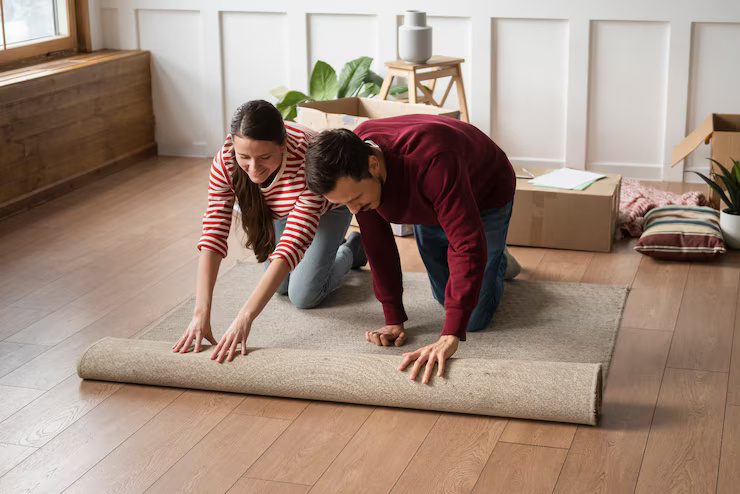
Modern vinyl flooring often comes with click-lock systems or adhesive backing, making it easier for DIY enthusiasts to install without professional help. Maintenance involves simple cleaning — regular sweeping and occasional mopping — with no need for polishing or waxing.
Versatile Design Options
Vinyl flooring can replicate the appearance of oak, maple, marble, or even terrazzo. This makes it suitable for various settings, from kitchens and bathrooms to basements and offices.
Who Uses Vinyl Flooring?
Homeowners looking for cost-effective renovations
Renters and landlords who want quick flooring updates
Commercial spaces such as offices, shops, and healthcare settings
Designers seeking modern textures without high material costs
Vinyl flooring solves common problems like moisture resistance, durability in high-traffic areas, and affordability.
Recent Trends and Innovations
The vinyl flooring industry has seen several updates and trends in the past year, reflecting both technological improvements and consumer preferences.
Sustainable Materials
In 2024, many manufacturers introduced low-VOC and recyclable vinyl products to meet rising environmental standards. Brands like Armstrong and Forbo have launched lines made from up to 70% recycled materials.
Enhanced Wear Layers
Advancements in wear layer technology have improved scratch resistance, making newer vinyl products more suitable for homes with pets or heavy furniture. Some planks now come with ceramic bead coating for added protection.
Waterproof Innovations
Luxury Vinyl Planks (LVP) and Luxury Vinyl Tiles (LVT) are now being manufactured with rigid core construction and integrated underlayment, providing full waterproofing and sound insulation — a trend that expanded significantly in 2024.
Rules, Laws, and Regulations
While vinyl flooring isn’t typically a heavily regulated product, there are relevant building codes, health standards, and environmental guidelines that may affect your choice and installation process.
Indoor Air Quality Regulations
In the United States and Europe, vinyl flooring products must comply with VOC (Volatile Organic Compound) emission limits. Look for products certified by:
FloorScore®
GREENGUARD Gold
LEED-compliant products for eco-conscious construction
Building Codes
Most local building codes do not prohibit vinyl flooring, but in high-rise apartments or commercial buildings, sound insulation may be required. Many LVT and LVP products now come with acoustic-rated backing layers to comply with these codes.
Fire Safety Standards
Certain vinyl flooring materials used in commercial settings must meet ASTM E648 (Critical Radiant Flux) fire resistance testing, especially in corridors or exit routes.
International Considerations
European Union: Must meet CE marking requirements for safety, health, and environmental protection.
India: BIS (Bureau of Indian Standards) certification for vinyl sheet flooring under IS 3462.
Canada: Building code requirements for flame spread and smoke development (CAN/ULC S102.2).
Always consult your local building authority before purchasing or installing flooring, particularly in rented or commercial spaces.
Helpful Tools and Resources
Whether you’re choosing, purchasing, or installing vinyl flooring, several tools and websites can simplify your decision-making process.
Planning and Design Tools
Room Visualizers (offered by many brands like Armstrong, Shaw, or Home Depot)
Upload a photo of your room and preview different vinyl styles.
Vinyl Flooring Cost Calculator
Found on websites like homeadvisor.com or calculator.net
Material Estimator Apps
Helps calculate how many boxes or square feet of flooring you'll need. Examples:
Home Depot App
Lowe’s Floor Planner
Installation and DIY Guides
YouTube Channels such as Home RenoVision DIY or Fix This Build That provide tutorials on installing vinyl planks.
Manufacturer Guides (PDF downloads from Shaw, Mohawk, Karndean) with step-by-step instructions
Safety and Environmental Resources
EPA's Indoor Air Quality Guide – epa.gov
Green Building Advisor – greenbuildingadvisor.com
Community Forums
Reddit r/HomeImprovement – Peer advice and shared experiences
Houzz Discussions – Design help and vinyl recommendations
Frequently Asked Questions (FAQs)
What is the difference between LVT and LVP?
A:LVT (Luxury Vinyl Tile) is designed to mimic ceramic or stone and usually comes in square shapes.
LVP (Luxury Vinyl Plank) replicates hardwood flooring and is typically rectangular. Both offer similar durability and installation features.
Is vinyl flooring waterproof?
A:Not all vinyl is waterproof, but many modern options, especially those with rigid core or SPC (stone plastic composite) backing, are 100% waterproof. This makes them suitable for kitchens, bathrooms, and basements.
Can I install vinyl over existing floors?
A:Yes, vinyl can often be installed over existing surfaces like tile, laminate, or concrete — as long as the surface is flat, clean, and dry. Avoid installing over carpet or uneven surfaces.
How long does vinyl flooring last?
A:Most vinyl floors have a lifespan of 10 to 25 years, depending on product quality, foot traffic, and maintenance. Higher-end vinyl with thick wear layers can last even longer in residential settings.
Is vinyl flooring environmentally friendly?
A:Traditional vinyl is not biodegradable, but recent advancements have introduced eco-friendly vinyl made from recycled materials and low-VOC components. Look for sustainability certifications like FloorScore or Greenguard.
Conclusion: Making the Right Flooring Choice
Vinyl flooring continues to evolve, offering a durable, stylish, and affordable solution for a wide range of spaces. With advances in waterproofing, eco-friendliness, and installation ease, it has become a top choice for modern households and commercial properties alike.
Whether you're renovating a single room or upgrading an entire floor plan, vinyl offers flexibility and performance without the high maintenance or cost of traditional materials.

You may also like...

Tube Bending Machines Guide: Basics, Overview, Working, Tips & Key Insights
Last Update: December 10, 2025
Read
A Complete Explanation of Textile Inspection Systems: Learn Features and Details
Last Update: December 11, 2025
Read